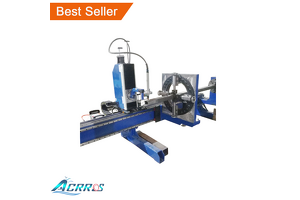
In procurement cooperation, product production and delivery cycles are among the core issues concerned by enterprises, directly affecting subsequent production plans and market launch schedules. There are significant differences in cycles between different types of products. This article will detail the regular cycles of ready-made and custom products to provide reference for enterprise procurement decisions.
Ready-Made Products: Fast Shipping in 1-3 Days, Suitable for Urgent Needs
For regular ready-made products, shipping efficiency is fully guaranteed by relying on a mature inventory management system. Generally, after the order is confirmed, packaging, outbound processing and logistics coordination can be completed within 1-3 working days to achieve fast shipping. This cycle advantage can accurately match enterprises' needs such as emergency restocking and short-term project supporting, effectively reducing waiting costs and ensuring the smooth progress of business. Whether it is small and medium-sized batch procurement or emergency goods transfer, the fast shipping advantage of ready-made products can provide enterprises with a convenient and efficient procurement experience.
Custom Products: Regular Cycle of 7-15 Days, Determined by Process Complexity
Custom products require adjustments to processes, materials, specifications, etc. according to customer needs, so the production cycle is relatively long, usually 7-15 working days. The specific cycle needs to be determined through negotiation based on the complexity of the product process. For example, custom products involving special material processing, complex shape design, and multi-link assembly may have a correspondingly longer cycle. It should be particularly noted that the delivery time of custom products must be clearly indicated in the contract to avoid affecting the progress of cooperation due to deviations in cycle perception.
Long-Cycle Products: Agree on Phased Delivery to Ensure Controllable Progress
For some long-cycle products with extremely high process difficulty and cumbersome production links, a single delivery node may not meet the actual operational needs of enterprises. For such products, it is recommended to agree on phased delivery or progress reporting mechanisms at the initial stage of cooperation. Through phased delivery, enterprises can receive products and put them into use gradually, reducing capital occupation and waiting risks; regular progress reports can enable enterprises to grasp production dynamics in real time, adjust subsequent plans in a timely manner, ensure information synchronization between cooperative parties, and guarantee the stable progress of the project.
Reasonably controlling the production and delivery cycle is the key to ensuring smooth procurement cooperation. Before procurement, enterprises should clarify the product type according to their own needs, fully communicate the cycle details with suppliers, and solidify relevant agreements through contract terms, so as to achieve efficient collaboration between supply and demand parties.